Japanese Names That Mean Fire (Boys, Girls and Unisex), with Kanji and Meanings
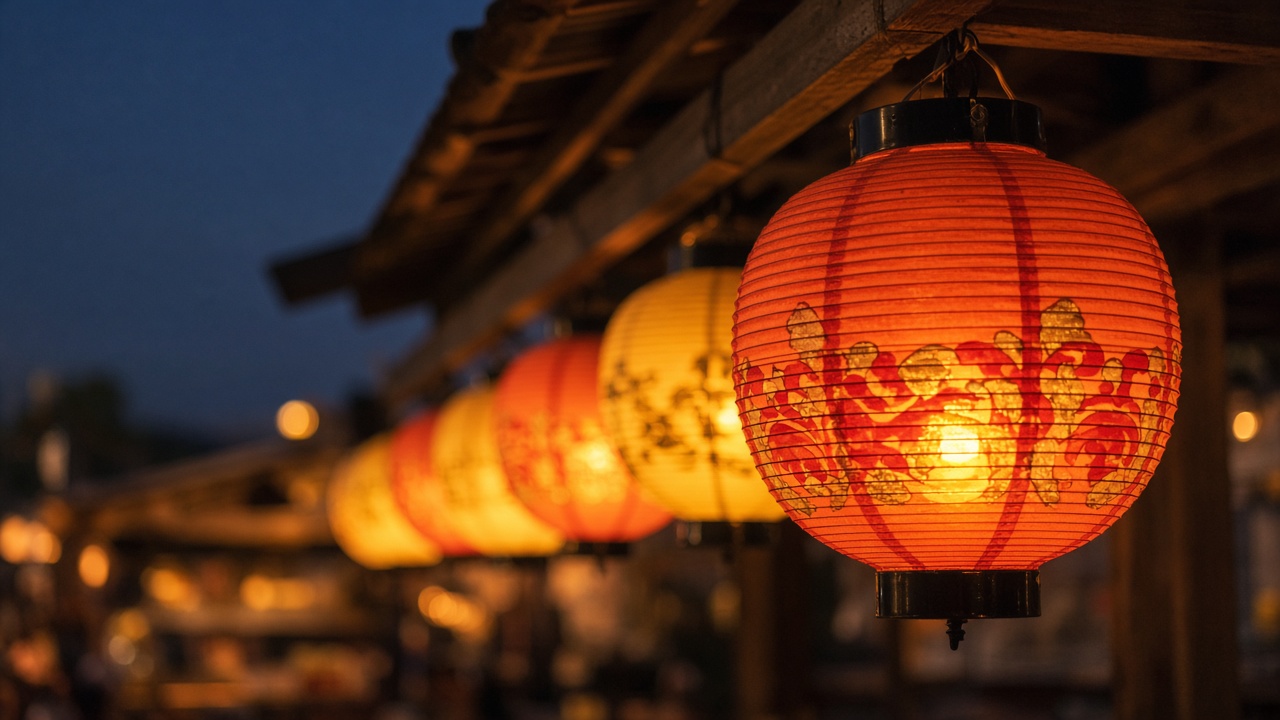
Search for "Japanese names that mean fire" and you will find long lists that mix real baby names with anime characters and invented compounds. The meaning of a Japanese name comes from the kanji, not from the romaji, so those lists get muddy, fast. The characters that literally mean fire or flame, 火 and 炎, are allowed in names, but they are uncommon. The names Japanese parents actually give, when they want warmth or a bright life, are usually built on 灯, a lamp, or 陽, the sun.
This site has no /meanings/fire/ page. The closest hubs are names meaning light and names meaning sun.
Which kanji actually mean fire?
The direct fire characters are 火, "fire", and 炎, "flame" or "blaze". Close variants cover a rising flame, a lamp, sunlight and a glittering shine. Most everyday names use 灯 or 陽, not 火 itself.
| Kanji | Common readings | Meaning | In names |
|---|---|---|---|
| 火 | hi, ka, ho | fire | Legal, but rare, especially on its own |
| 炎 | en, honō, homura | flame, blaze | Used, but uncommon |
| 焔 / 焰 | homura, honō, en | blaze, a rising flame | Literary; see the registration note below |
| 灯 | akari, hi, tomoshibi | lamp, lamplight | Familiar in girls' names such as Akari |
| 燈 | tō, hi, akari, tomoshibi | older form of 灯 | Allowed, and it does show up |
| 陽 | hi, yō, haru | sun, sunshine, the positive yang principle | Very common |
| 煌 | kō, kira, akira | glitter, a dazzling shine | Real, but uncommon |
| 灼 | shaku, akira | to burn or scorch; also vivid | Rare |
火, 炎, 灯 and 陽 are everyday jōyō kanji, so they may be used in a name registered in Japan. 煌, 灼 and 燈, the traditional form of 灯, are on the jinmeiyō list of extra name characters. For 焔 and 焰, the official form on that list is 焰. 焔 is the shape you will often see in print and in fiction, so if you plan to register it, confirm the exact glyph with the city office. Our guide to choosing a Japanese baby name covers the official character lists in more detail.
Why is 火 rare in given names?
You can legally write a name with 火, but Japanese parents seldom do, and almost never use it on its own. The character is the ordinary word for fire, and it sits inside words for disaster, 火事 and 火災, a house fire or a conflagration. Next to 灯, a lamp you light on purpose, or 陽, sunlight, it feels stark.
炎 has a similar catch. It is the usual word for a flame, and it is also the 炎 in 炎症, "inflammation". That double meaning is easy to miss if you only look up "flame".
🤔 the Japanese character 炎 (pronounced honō, homura, en) means both 'flame,' and 'inflammation.'
— reizayin | 零ザイン (@reizayin) May 10, 2023
I love it when weird shit lines up between English and Japanese
火 does appear as one character in a longer name, for example 瑠火 or 琉火, often read Ruka, or 灯火, Tōka, "lamplight". Those spellings exist, but they are unusual, and our dictionary does not list them yet. English listicles sometimes suggest Kasai, written 火災. That word means a destructive fire. It is not a conventional given name.
But people who want a fire image in a real name usually step one degree away from an open flame, toward a lamp or the sun.
What boys' names mean fire, or something close to it?
The boys' names you will actually meet in Japan are almost all sun names written with 陽, not literal fire names at all. In Meiji Yasuda's survey of children born in 2025, 陽 appeared in 107 different boys' spellings and was listed among the most-used kanji, after 翔, "soar" (source, in Japanese).
Hinata, 陽向, means "facing the sun", a sunny place. It is unisex, and the 陽向 spelling was tied 8th for boys born in 2025 in that same ranking. Another spelling, 日向, uses 日, also "sun" or "day", with the same idea. 陽太, "sun" and "great", is listed on our Hinata page too, and that spelling was tied 25th for boys.
Haruto as 陽翔 is "sun" and "soar". That spelling was tied 8th for boys, level with 陽向. By reading, Haruto has led the boys' list for 17 years running, though the sound is written many different ways, and not every Haruto uses 陽. 陽斗, "sun" and "the Big Dipper", is another sun spelling of the same name.
Asahi is the morning sun. 朝陽, "morning" and "sun", was tied 11th for boys in 2025. The single character 旭 means a rising sun, and 朝日 is "morning" and "sun" with 日 instead of 陽.
Haruki can be written 陽輝, "sun" and "radiance". Its first-listed spelling on this site, 春樹, is "spring" and "tree", which is a different image, so choose the kanji you mean.
The single character 陽 itself was tied 20th for boys. 太陽, "great sun" or "the sun", also appeared in the boys' top 100, though we do not have a page for it yet. The traditional lamp character has a place here too: 燈弥, which uses 燈, was tied 93rd for boys. That is not a common name, but it shows 燈 is not only a girls' character.
Literal flame names for boys are a different story. Homura, written 炎 or sometimes 焔, means a flame or blaze. En, 炎, is the on-reading of the same character. Both are used in real life, but they are uncommon, and they are much more familiar from fiction than from birth registries. Our dictionary does not list them yet.
Homura(祁煜、Rafayel )means FIRE(or FLAME)in Japanese.
— 𝑬𝒓𝒊𝒏𝒂𓂃🪸𓈒𓏸 (@rumiru_oO) October 21, 2024
In Kanji, 「炎」and「焔」 can read Homura.
This two Kanji are combined for a word 「火焔(KAEN)」.It means burning.
Probably, his name comes from his Evol, but other character dont.
Kō or Kira, written 煌, is a glittering, blazing kind of shine rather than a fire itself. It is a permitted name character and it is used, but it is not a frequent choice, and we do not have a page for it yet. Akira can be written 灼, "to burn", though the Akira spellings we list are 明, 晃, 彰 and 亮, all about brightness or clarity, not burning. See Akira.
What girls' names mean fire, or lamplight and sun?
The gentlest names in this area use 灯, "lamp", and the popular ones use 陽, "sun". A girl called Akari or Himari is much easier to find in Japan than a girl called Homura.
Akari written 灯 means a lamp, or the light a lamp gives. That is fire in its useful, contained form, the glow you light on purpose. It is not the same as 火. Akari has other spellings that are not about fire at all: 朱里, the first one we list, is "vermilion" and "village", and 明里 is "bright" and "village". If lamplight is the point, you want 灯. The hiragana spelling あかり was tied 98th for girls born in 2025 in Meiji Yasuda's ranking. That figure is for the sound written in hiragana, not for 灯 specifically.
Himari as 陽葵, "sun" and "hollyhock", was 2nd for girls in that survey, one of the most familiar sun names in Japan right now. The hollyhock, 葵, is also the plant in the word for sunflower, 向日葵, which is another spelling of Himari on our page.
Hina as 陽菜, "sun" and "greens", was 6th for girls. Koharu as 心陽, "heart" and "sun", was 7th. Haruka can be written 陽花, "sun" and "flower", which appeared further down the same list, tied 98th. Haruka's other spellings, such as 遥, "far-reaching", do not mean sun.
Hikari is usually 光, "light", and can also be 陽, "sun", or 輝, "radiance". Yoko as 陽子 is a classic "sun child" spelling, less current than Himari or Hina, but still a real sun name. Homura, 炎 or 焔, is used for girls as well as boys; again, it is uncommon.
Hotaru, 蛍, means a firefly. The character has a fire radical, and the insect is famous for its light, but the name means the insect, not fire. It is a light name, not a flame name, and it sits on our light and season pages.
Are there unisex names that mean fire?
Hinata is the main one. 陽向 is used for boys and girls, and it is one of the more popular unisex names in our dictionary. Hikaru and Akira are unisex too, but their usual spellings mean light or brightness, not fire. Homura can be given to either, though you will not hear it often.
If you want a name that feels warm without picking a literal flame, Hinata and the 陽 names are the ones that actually get used.
Which names sound fiery but usually aren't?
A lot of English "fire name" lists stretch the meaning or borrow from games and anime. A few to watch:
- Honoka is a familiar girls' name, but it is usually written 穂香, 和花 or 萌花, among others, not 炎花. "Flame flower" is not the standard spelling.
- Akane, 茜, is madder red, a deep plant-dye red that can recall a sunset. The kanji is a colour and a plant, not fire. We do not have a page for it yet.
- Hotaru, as above, is a firefly.
- Kasai, 火災, means a destructive fire. Skip it as a given name.
- Hideo and Hiromi are sometimes glossed as "fire" on those lists because they start with hi. Typical spellings use 英, 英雄, 裕 or 博, not 火.
Fiction adds another layer. Names such as Hinoka, Kaen (火炎), Rekka (烈火) and Hokage (火影) are easy to find in games and anime. They are not the names Japanese parents are giving to babies in any numbers.
random thoughts again it is so interesting to me that Hinoka appears to be not an actual Japanese word and thus not a common Japanese name so the Fire Emblem character takes up the entirety of the name-only search results compared to her siblings (FE:if still calls her ヒノカ)
— J-Der (@jdrider02) November 6, 2026
The same rule as in our water and dragon articles applies here: decide on the kanji first, then check whether that spelling is actually used as a name.
Can you register 火, 炎 or 焔 as a baby name in Japan?
Yes, with a caveat about the exact shape of the character. 火 and 炎 are jōyō kanji and may be used in a child's name. So may 灯 and 陽. 煌, 灼 and 燈 are on the jinmeiyō list. The literary blaze character is allowed too, but the form printed on the official name-kanji list is 焰. 焔 is widely used in books and subtitles, and some offices may treat the two as the same word, but you should not assume that. Take the exact character you want to the local city office and ask before you file the registration.
Being legal is not the same as being typical. A name written 炎 or 火 will stand out in a Japanese classroom in a way that 陽葵 or 灯 will not, and some families also avoid fire characters because of fortune-telling traditions around the five elements. That is a personal preference, not a legal bar.
People also ask
Does Hinata mean fire?
No. Hinata means a sunny place, or "facing the sun", when it is written 陽向 or 日向. It is a sun name, not a fire name, though the two ideas sit close together.
What Japanese name literally means fire or flame?
The clearest given name is Homura, written 炎, "flame" or "blaze". En, the on-reading of the same character, is another option. 火 itself is the word for fire, but it is rare as a name, and rarer still on its own.
Does Akari mean fire?
Not exactly. Written 灯, Akari means a lamp or lamplight, the glow of a light someone has lit. Other Akari spellings, such as 朱里, do not mean fire or light in that sense. If you want the lamp meaning, use 灯.
Is Homura a real Japanese name, or only an anime name?
It is a real word, and it is used as a given name, but it is uncommon. Many people know it first from fiction, which is why it feels more familiar than the birth numbers would suggest.
Can you use the kanji 火 in a baby's name in Japan?
Yes. 火 is a jōyō kanji, so it is permitted. Parents still rarely choose it, especially by itself, because of its link with house fires. It shows up more often as one character in a longer, unusual spelling.
What about Kagutsuchi?
Kagutsuchi, also called Homusubi, is the fire kami in the Kojiki. It is a mythological name, not a conventional given name for a child.
Are Japanese dragon names fire names?
Usually not. In Japanese folklore, dragons are tied to water and rain, not to fire-breathing. We go into that in Japanese names that mean dragon.
Keep exploring
For names built on sunlight and lamplight, start with names meaning sun and names meaning light. The elemental counterpart to this article is Japanese names that mean water. You can also browse all boy names and girl names, or try the name generator with "sun" or "light" as the given-name meaning.